Quick Facts
Setting: Urban
Population (core): 3.4M
Population (metro): 6.7M
Best time to visit: Year-round
Top Sights
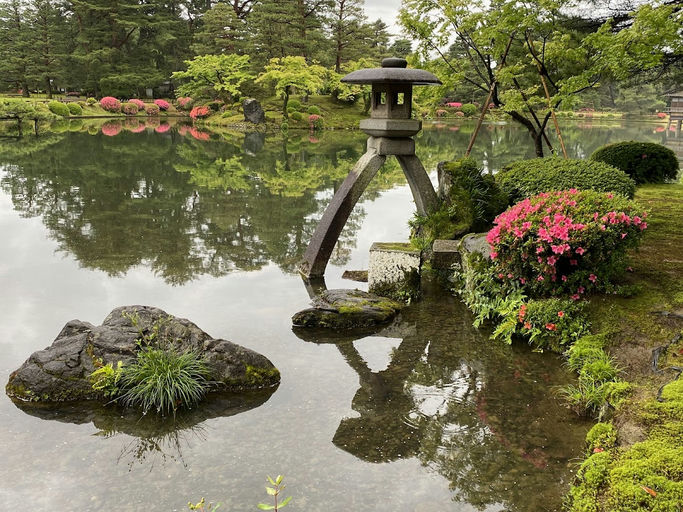
Kenroku-en
This garden is one of the most famous in the country and is known for its classic landscape design. It was built over centuries and combines six key elements: spaciousness, seclusion, artifice, antiquity, water features, and beautiful views. The name actually means "garden of six attributes," and you can see all of them as you walk around.
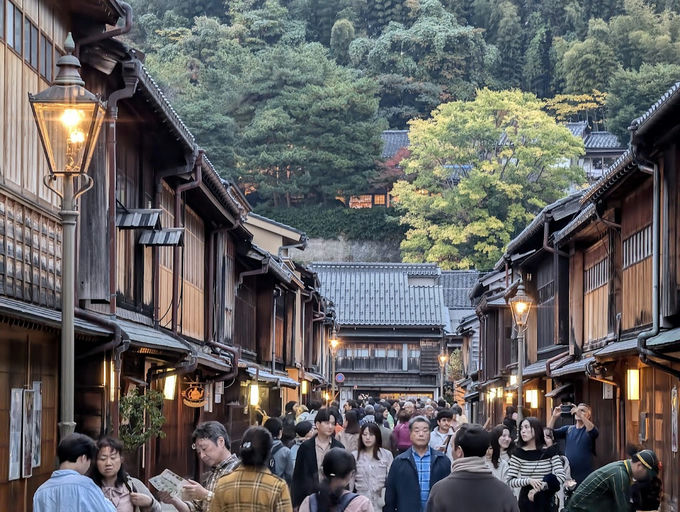
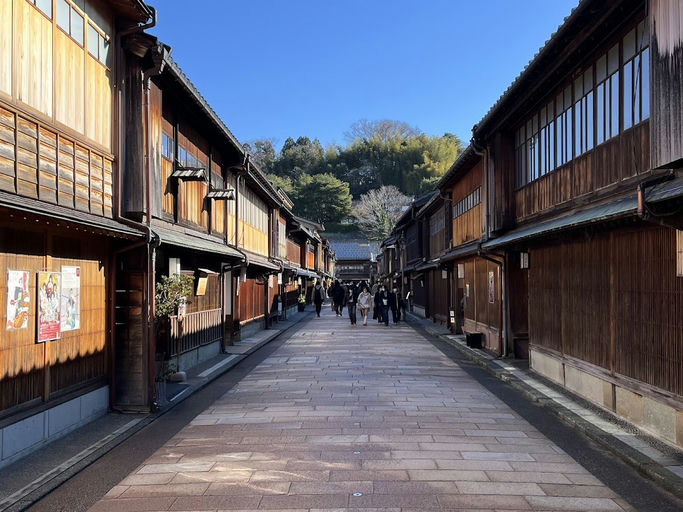
Higashi-Chayagai
This historic district is known for its old wooden tea houses and narrow streets that take you back to the Edo period. The area is most popular for its preserved architecture and traditional atmosphere, where you can see how people lived and enjoyed entertainment centuries ago.
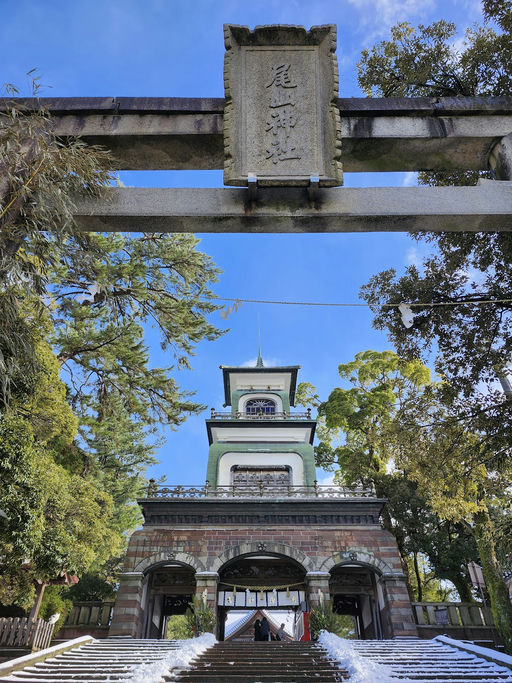
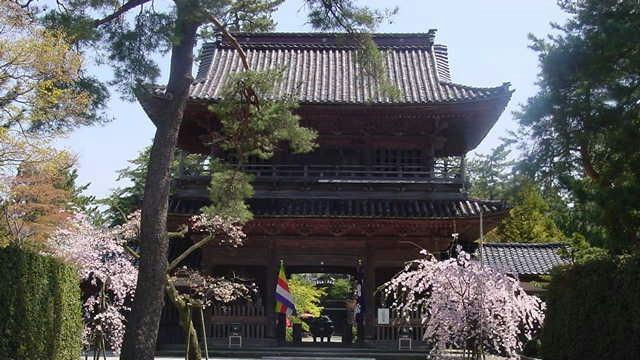
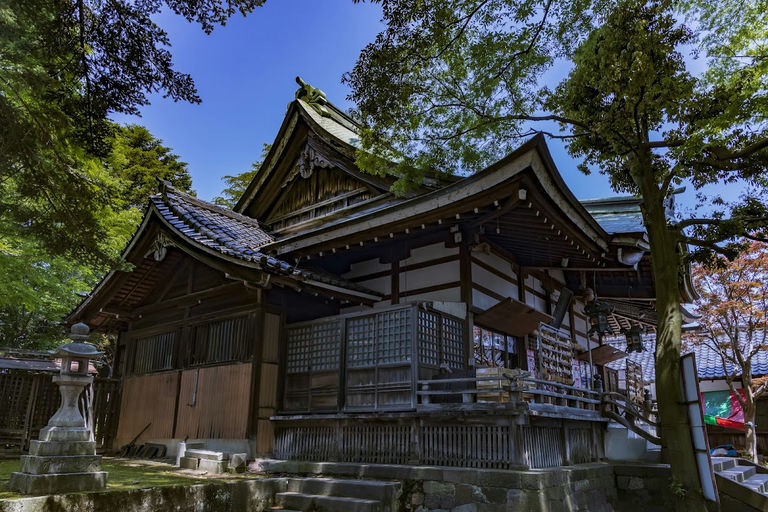
Oyama Shrine
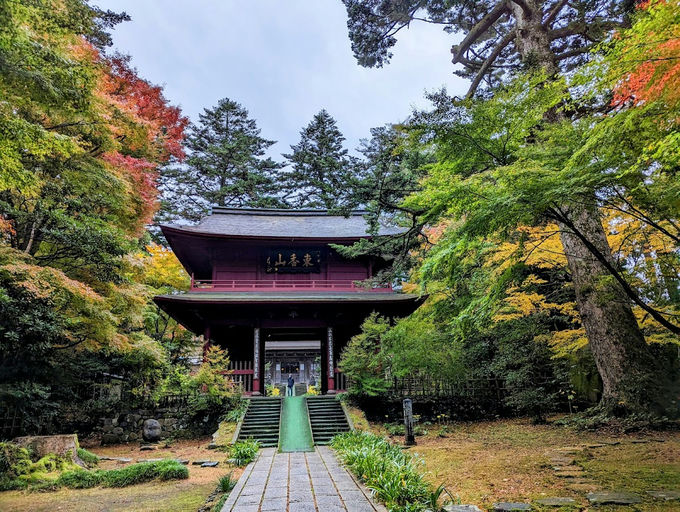
This spot is a historic shrine built in the late 1800s, dedicated to a famous feudal lord. The entrance gate is a mix of Japanese, Chinese, and Western styles, making it stand out from other shrines. The grounds have peaceful gardens, a pond, and old trees, creating a chill atmosphere.
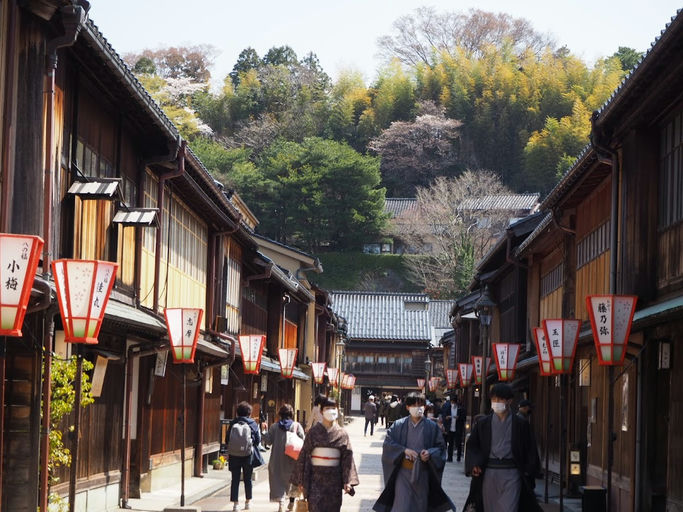
Nagamachi Samurai District
This area is known for its well-preserved samurai houses and narrow stone-paved streets. The place gives a real sense of what life was like for samurai families hundreds of years ago. The old earthen walls, water canals, and wooden gates are still there, making it feel like stepping back in time.
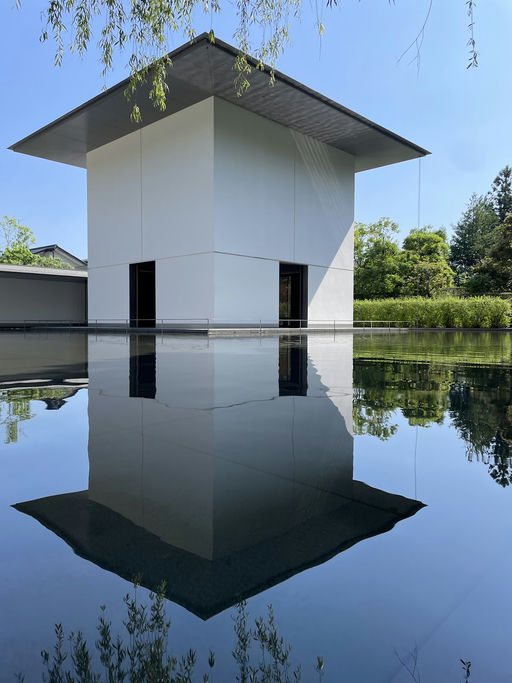
D.T. Suzuki Museum
This museum is dedicated to the life and ideas of a famous Buddhist philosopher who introduced Zen to the West. The building itself is a calm, modern space surrounded by water and gardens, designed to reflect the peacefulness of Zen. It’s a spot where you can learn about mindfulness and take a break from busy city life.
The Knowledge of Locals
We search, vet and aggregate
every place you see on Happ
Open Happ

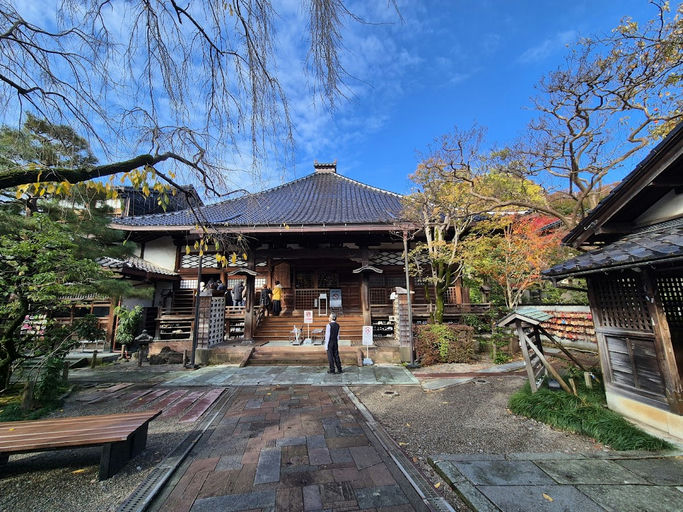
Myouryuji (Ninja Temple)
This temple is famous for its secret passages, hidden rooms, and clever traps. It was built in the 17th century and looks like a regular temple from the outside, but inside, it’s full of surprises. The place was designed to protect its occupants from enemies, not for ninjas, but the tricks inside are so cool that people started calling it the Ninja Temple.
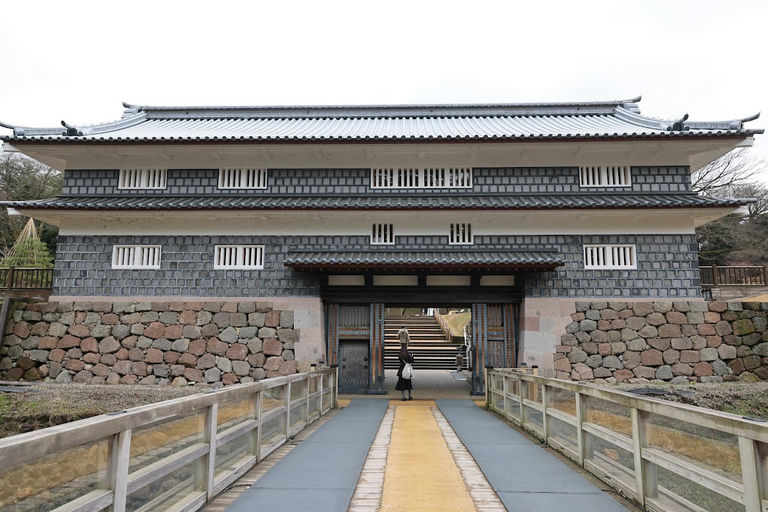
Kanazawa Castle
This historic site is a former feudal castle that has stood for centuries. It was originally built in the late 16th century and has been rebuilt and restored several times due to fires and wars. The grounds are surrounded by impressive stone walls, moats, and beautiful gates, making it a symbol of the region’s history and culture.
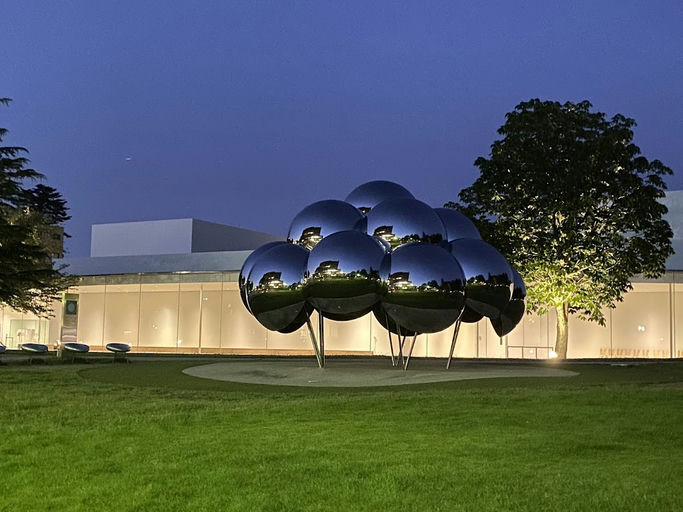
Kanazawa 21st Century Museum of Contemporary Art
This museum is a circular building known for its open, transparent design and focus on contemporary art. It’s a place where you can see art from both Japanese and international artists, and the architecture itself is part of the experience. The building is surrounded by glass walls, making it feel like the art and the city are connected.
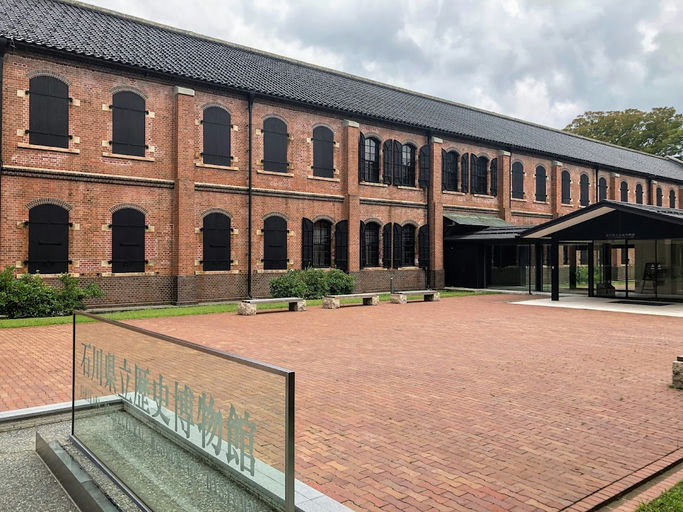
Ishikawa Prefectural Museum of History
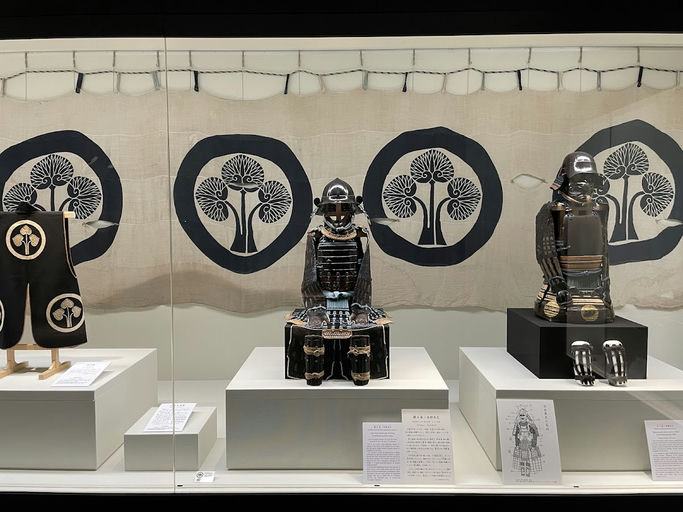
This museum is all about sharing the history and culture of the region. It’s set in a former army warehouse, so the building itself feels historic. Inside, you’ll find exhibits that cover everything from samurai armor to daily life in the Edo period. The displays use real artifacts, models, and interactive sections to make the past feel real.
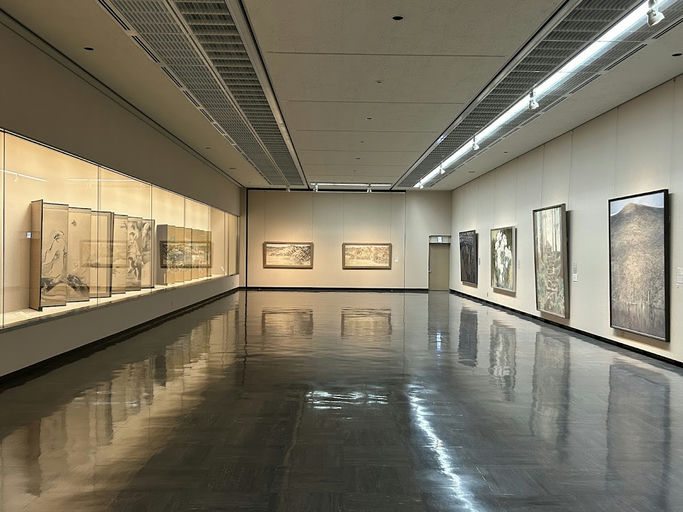
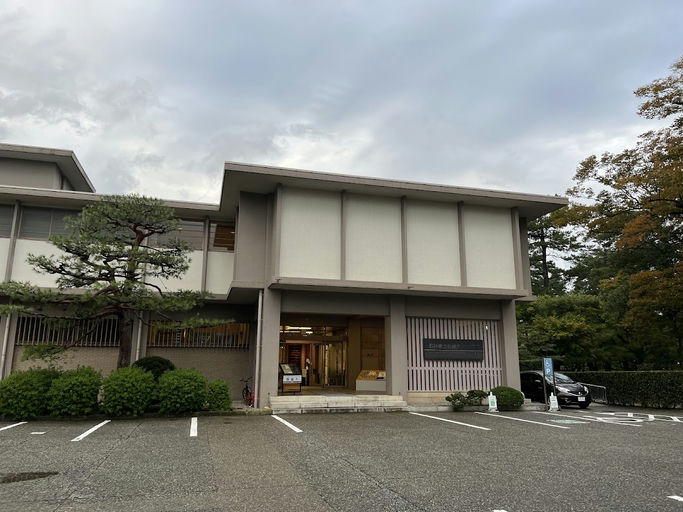
Ishikawa Prefectural Museum of Art
This museum is a spot where you can see a mix of traditional and modern Japanese art. It’s got a chill vibe and is set up to help you really look at the art without distractions. The building itself is pretty cool, with big windows and open spaces that make it feel bright and welcoming.
See more
See more
More Sights
Browse in Happ
Nearby Regions
Nagasaki
NEW
Tokyo
NEW
Sendai
NEW
Hiroshima
NEW
Sapporo
NEW
Nara
NEW
Kyoto
NEW
Osaka
NEW
No app install needed*
Open in Happ!
Try out Happ!
 *No app install needed
 The traveller's pocket guide
 Happ: Your all-in-one trip companion
Save Your Favorites!
and use offline
Kenroku-en
Higashi-Chayagai
Oyama Shrine
Open in Happ
*No app install needed
Advance Arriva
Duration
Best Time to Visit
Cancel Before
Open in Happ
*No app install needed
Open